“Drive for show, putt for dough” is a saying as old as golf itself. Yet many of us spend countless hours blasting balls at the range while neglecting the shots that truly count. The short game — those delicate chips, pitches and putts — is where scores are made or broken. Mastering this art isn’t about brute strength but about touch, imagination and patience.
Why the Short Game Matters
- Scoring impact: Nearly half of your strokes in a round come from within 100 yards. Improving your short game yields immediate results on the card.
- Consistency: A solid short game rescues you on off days. Even when drives stray, you can still scramble for par.
- Confidence: Knowing you can get up and down frees you to swing more freely with longer clubs.
Building Your Short‑Game Routine
- Warm‑up with purpose: Before your round, spend 20 minutes on the chipping green. Vary your lies and landing spots to awaken feel.
- Use fewer clubs: Practise bump‑and‑run shots with a 7‑iron, controlled pitches with a wedge and soft lobs when necessary. Mastering a few clubs breeds consistency.
- Focus on contact: Keep your wrists quiet and let your shoulders rock the club. Crisp contact and low backspin control the ball better than a flippy wrist.
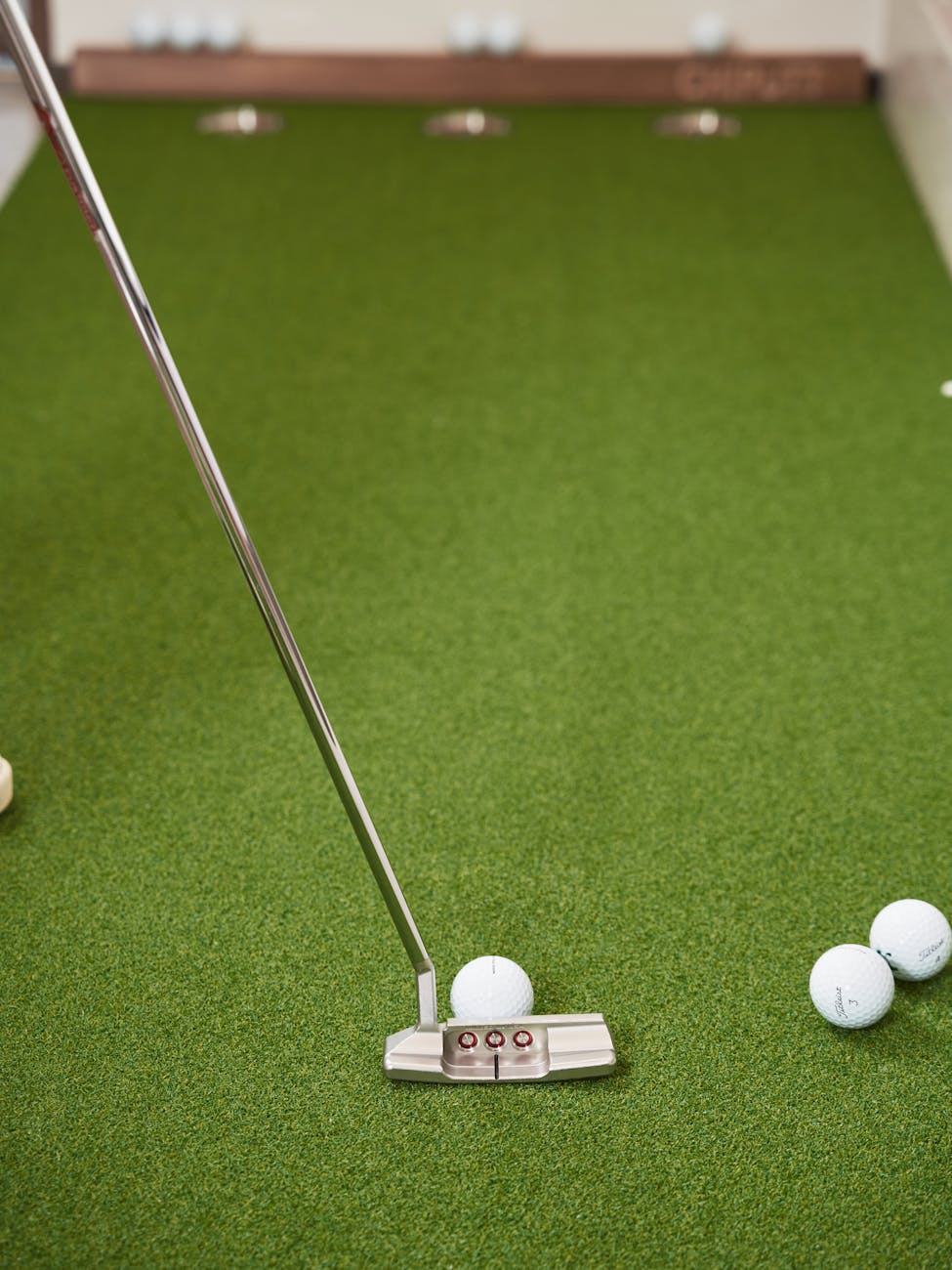
Putting Precision
- Read the green: Walk around your line, feel the slope with your feet and visualise the ball rolling into the cup. Take your time to interpret subtle breaks.
- Control distance: Practise ladder drills where you roll putts to progressively longer targets. Focus on length of stroke rather than hit.
- Routine matters: Develop a consistent routine: pick a spot, align the face, take a deep breath and commit. Repetition breeds trust.
Mindset and Patience
- Stay creative: Each lie around the green is different. Experiment with trajectories and landing spots; embrace the imagination.
- Small targets: Rather than aiming at the hole, pick a precise landing zone for chips and focus on speed for putts. Smaller targets sharpen focus.
- Accept imperfection: Even the best players mis-hit chips and misread putts. Treat each shot as a new opportunity rather than a verdict on your ability.
A devoted short‑game practice is like meditation. It hones your senses, calms your mind and rewards patience. When you invest time around the green, you’ll find yourself saving pars, making more birdies and enjoying the game on a deeper level.
 fairwayhabits